Strategy for the software companies rebuilding the physical world.
Software is becoming the operating system for the physical world.
I'm a corporate and product strategist who turns ambiguous, high-stakes bets into board-ready decisions. After a decade in enterprise software, I'm focused on technology for the built environment.
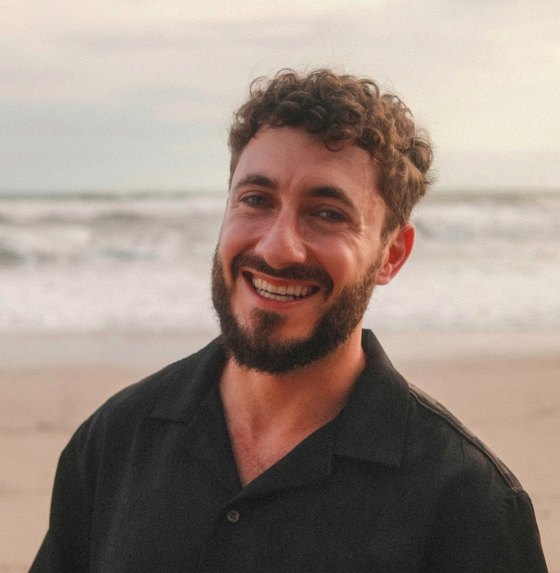
Why the built environment
The most interesting strategy questions have moved into the physical world.
For a decade I helped software companies decide where to play and what to build. That question has moved into the physical world: buildings, infrastructure, and the systems that shape how we live are being rewired by software, sensors, and AI. Strategy there can't be a slide exercise. It has to respect how real operators work and how capital actually moves.
Read more
That's the work I want to do: helping the companies reshaping construction, real estate, and the built world make better, braver decisions toward an environment that's more affordable, more sustainable, and more humane. I came to this conviction the long way, including a cross-country charity cycling trip for affordable housing. The built environment is where strategy has the most tangible human consequence.
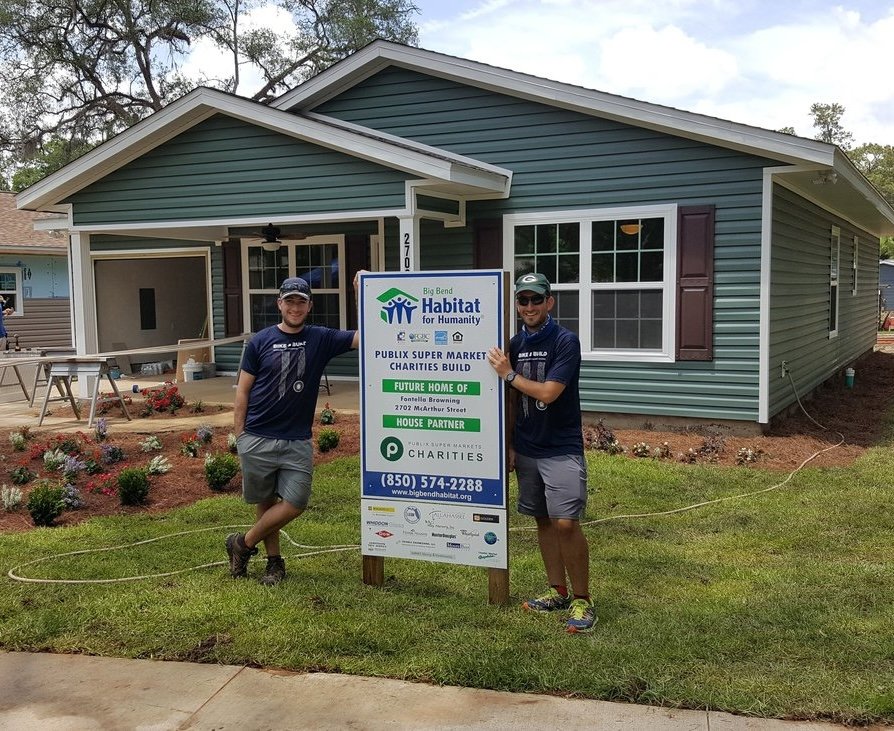
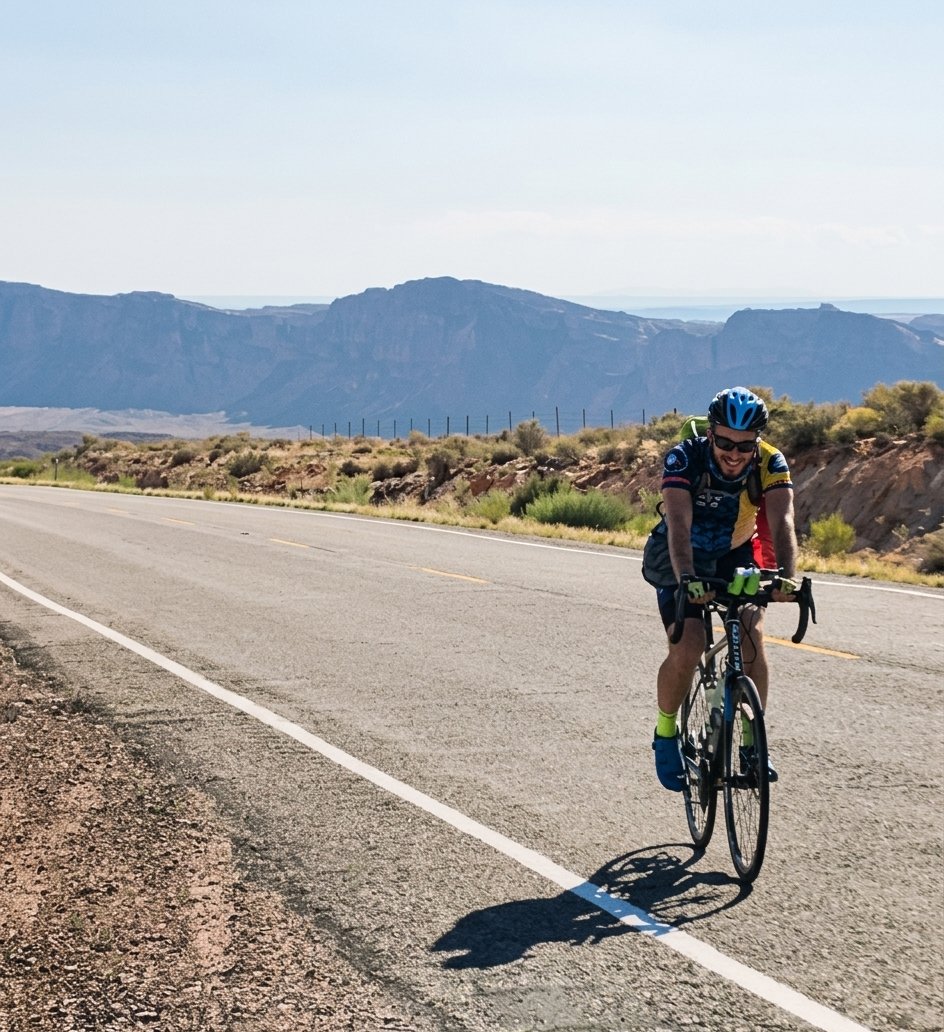
From a cross-country Bike & Build ride for affordable housing.
About
An economics-trained strategist who turns ambiguity into clear choices.
I'm a Staff-level corporate and product strategist based in Atlanta. For the better part of a decade I worked at the intersection of customer evidence, market logic, and executive decision-making: sizing markets, modeling ROI, building prioritization frameworks, and turning ambiguous, high-stakes questions into board-ready recommendations. My edge isn't producing research or decks. It's creating the frameworks that force clear choices and the narratives that help leaders act with conviction.
I'm now bringing that toolkit to the built environment: construction, real estate, and the technology reshaping them, where the strategic questions are concrete and the stakes are physical. If you're building software for the physical world and need someone who makes strategy practical, let's talk.
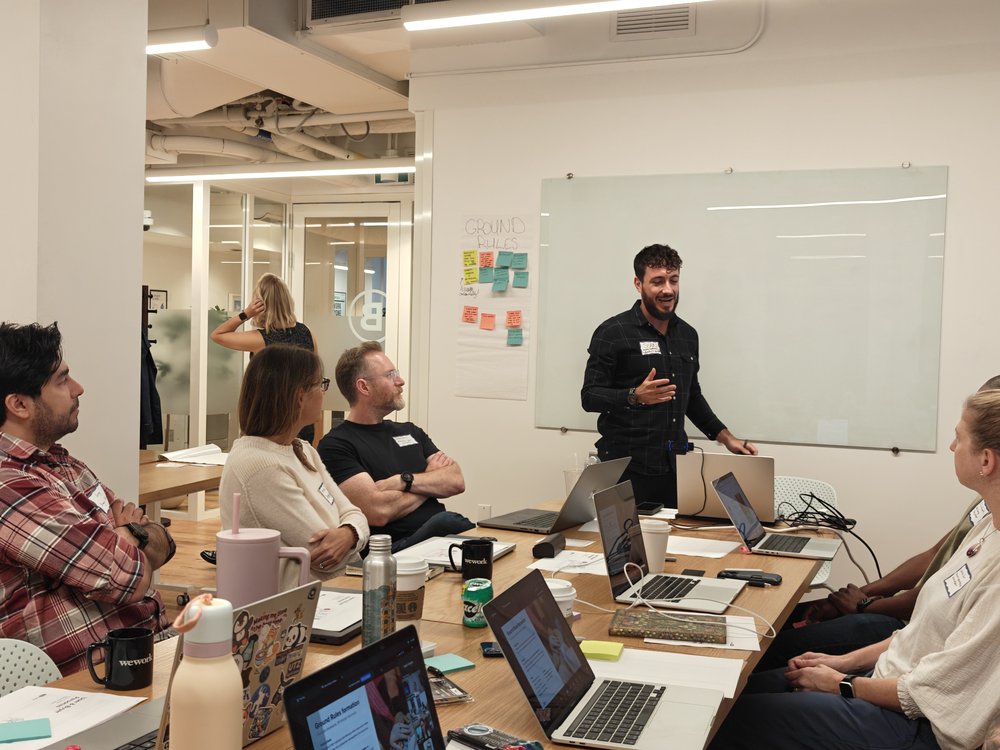
Selected work
Three decisions, made with conviction.
Tap any story to expand.
Architected the board-approved vision behind a 5-year path to $500M ARR
What needed to change
A private-equity-owned software platform had dozens of possible growth bets and no shared logic for choosing among them.
What I led
I built the opportunity map, facilitated expert workshops to define and size each market, mapped the dependencies between them, and gave the C-suite a sequenced "earn the right to win" narrative, then a market-facing three-horizon vision.
What moved forward
A board-approved five-year path to $500M ARR, and a vision that earned the platform the leading position in a top industry analyst's 2025 category report.
For the built world: the same sequencing logic decides which physical-asset problems software should solve first.
Turned a customer-churn insight into the company's largest acquisition, protecting $10M+
What needed to change
A churn analysis I led found 39.1% of churn was driven by value perception, with $3.94M of risk concentrated in a single capability gap.
What I led
I ran a cross-functional sprint to define the gap and candidate fixes, validated priorities through concept testing, then ran open-ended competitive research to find who had already solved it and brought three targets to the executive team.
What moved forward
The top target became the company's largest-ever acquisition, funded by an additional capital injection from its private-equity owner, protecting $10M+ in enterprise revenue.
For the built world: customer-grounded build-vs-buy logic is exactly how capital gets allocated in construction and real estate.
Built the conviction that funded a 30-developer "innovation accelerator"
What needed to change
There was no cohesive strategy for where embedded workflows should go next, and no shared model for prioritizing partnership targets.
What I led
I owned the strategic research and built a partnership-prioritization model for Tier-1 integration targets, oriented to the confidence gaps in emerging AI workflows and a first-class API foundation.
What moved forward
Iterative testing built enough conviction for ownership to fund a 30+ developer accelerator, shipping a flagship design-tool integration to market fast (released April 2026).
For the built world: embedding software into the workflows people already use is how digital tools earn a place in physical operations.
How I work with AI
I use AI as a research and thinking partner: pressure-testing frameworks, accelerating analysis, and building tools (including this site). The strategy, judgment, and recommendations are my own. Given the thesis I hold, that software is becoming the operating system for the physical world, it would be strange not to use it well.
Let's talk
Building software for the physical world?
Atlanta, GA ·
seantreiser@gmail.com ·
LinkedIn
Open to corporate and product strategy roles in the built environment.